
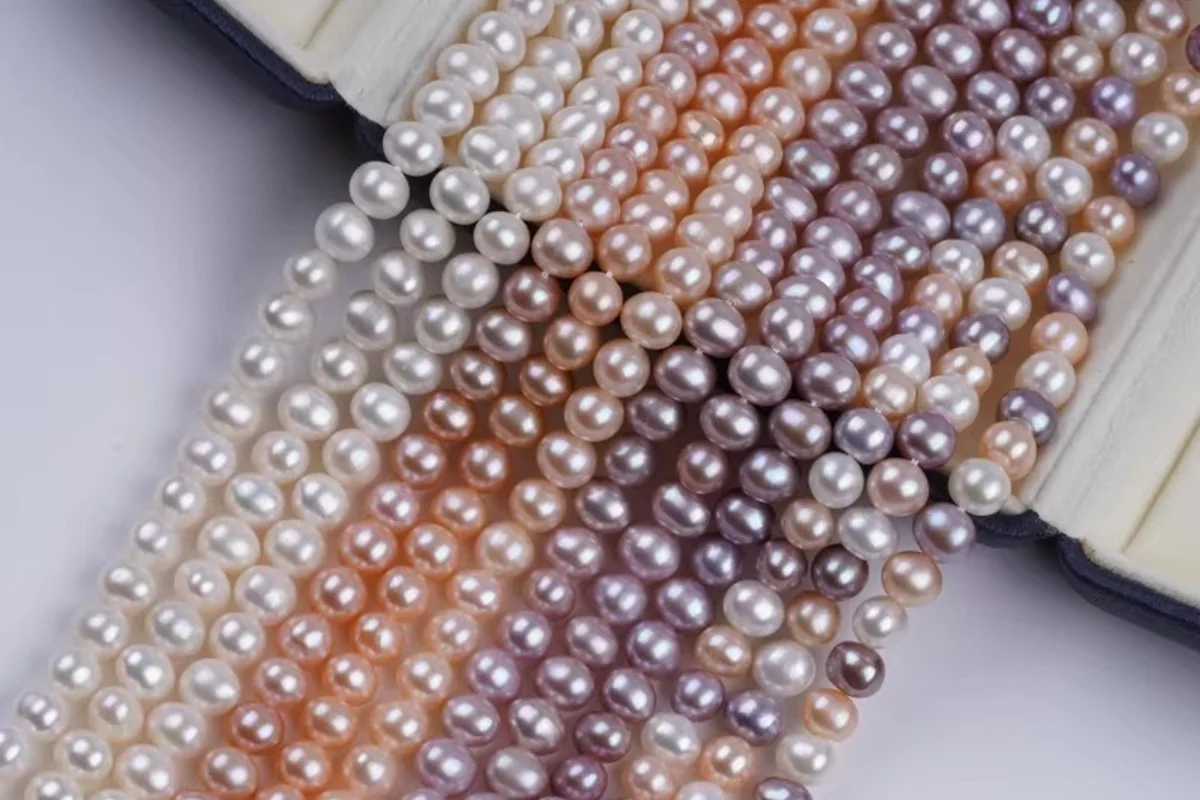
Freshwater and saltwater describe the environment in which pearls form. Natural and cultured describe a different distinction: whether their formation involved human intervention. Cultured pearls are real pearls; the word does not mean imitation. GIA's pearl description explains these terms and the major cultured pearl categories.
For a jewelry choice, “freshwater or saltwater?” is only a starting question. You still need to decide on the appearance, dimensions, and overall result you want. Comparing named types and actual samples gives you a more useful answer than treating every saltwater pearl as one product.
Two Different Questions: Where and How?
Keep the environment and formation description together when reading a listing. “Freshwater cultured pearl” is more informative than “real pearl,” because it tells you what kind of product is being described. Ask for clarification if the wording leaves you unsure.
Do not use the presence of a bead nucleus as a shortcut for sorting freshwater from saltwater pearls. Freshwater cultured pearls include bead-nucleated examples. GIA's overview of pearl types
For most design decisions, you do not need to reconstruct the farming process yourself. You need accurate product descriptions, appropriate supporting information, and samples that demonstrate the proposed appearance. If a claim about origin or formation matters to the purchase, resolve it directly rather than guessing from roundness, color, or a drill hole.
Why “Saltwater” Is Too Broad for a Comparison
The three saltwater categories below should be considered separately. The appearance column summarizes common associations from GIA's comparison; it is not an identification chart or a promise about every pearl.
| Cultured pearl category | Common appearance associations | Useful question when reviewing a design |
|---|---|---|
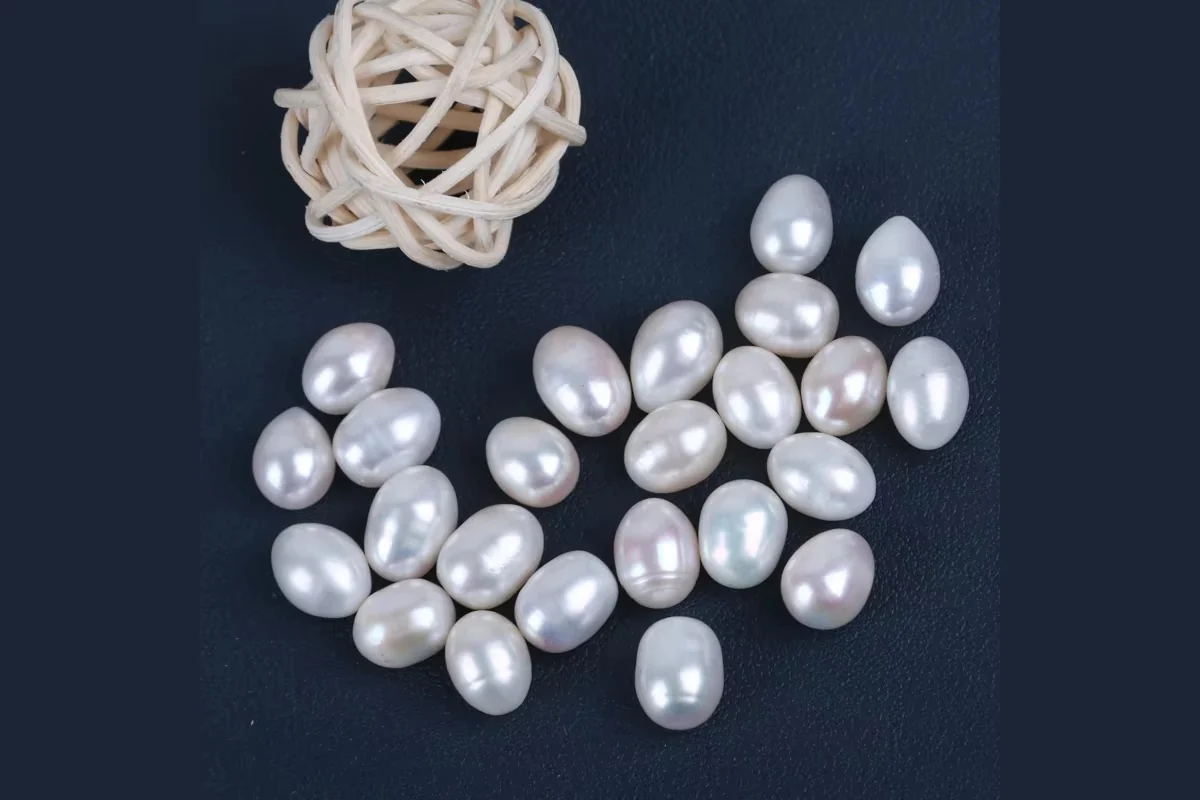
| Freshwater | Varied shapes; white and pastel colors; varied luster | Which proposed shape and color best support the design? |
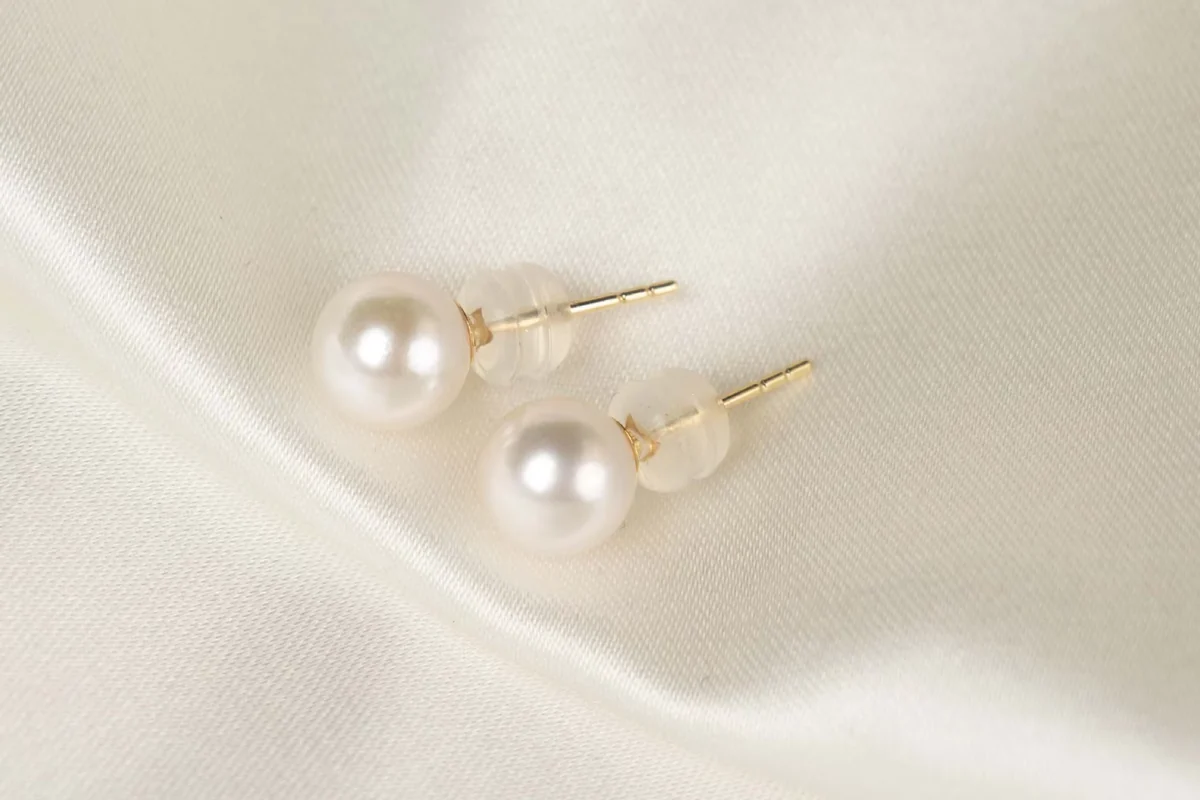
| Akoya — saltwater | Often white, round, and sharply reflective | Does the selected sample deliver the reflection and uniformity you want? |
| Tahitian — saltwater | Darker bodycolors with varied overtones | Does the actual color combination suit the finished collection? |
| South Sea — saltwater | White, silver, or golden colors; often larger sizes | Does the selected pearl's scale work in the proposed piece? |
Treat this table as a way to organize your search. It cannot tell you the identity, treatment history, or suitability of an unfamiliar pearl from its appearance. The comparison is general education, not a LuxoPearl inventory or supply list.
Compare Appearance at the Same Scale
Start with freshwater for varied outlines and pastels; compare Akoya when seeking classic white round pearls with bright reflections. Consider Tahitian for a darker palette, or South Sea for a larger white, silver, or golden focal pearl. These are design directions inferred from the characteristics above, not promises about individual samples.
Choose samples close to the intended dimensions, then view them together against the same plain background and under the same lighting. Do not compare one polished studio photograph with another supplier's dim phone image and treat the difference as a quality result.
Look at the complete piece as well as the pearl. A pearl that dominates a close-up may feel too prominent in the intended earring. Conversely, a subtle difference visible at very close range may have little effect on the finished design you are selecting.
Within any category, compare reflection sharpness, visible surface condition, and how well the pearls coordinate in a pair or strand. A type is not a quality grade. GIA evaluates these aspects separately, so choose the appearance you want and then judge how well each sample delivers it.
Choose Between Samples, Not Category Labels
Consider a hypothetical project: a brand wants a white pearl drop earring with a restrained, regular outline. It asks potential suppliers to propose a freshwater option and an Akoya option, subject to their available selections.
First, check that both proposals meet the intended dimensions and overall earring length. If one pearl is larger, compare the samples again at the requested size before attributing the visual difference to pearl type.
Next, inspect the pair together. Do both earrings show the same intended character? Does one proposal have a more appealing reflection to the buyer? Are visible differences between the two pearls acceptable for this design?
Finally, compare the complete quotations. If the preferred option costs more, identify what you are paying for and decide whether that difference matters to the collection. A type name can be a deliberate part of a product concept, but it should be specified honestly rather than used as a substitute for reviewing the samples.
Understand What the Price Actually Covers
GIA describes freshwater cultured pearls as offering broad commercial availability at lower price points. That is useful background, not a rule for pricing a particular pearl or finished item. GIA: Pearl Description
For a meaningful comparison, give both suppliers the same request: pearl description, target dimensions, shape preference, finished design, quantity, and packaging. Ask each to identify anything it has changed when preparing its proposal.
Then read the inclusions. A quote for loose assorted pearls does not answer the same question as a quote for selected pairs assembled into finished earrings. Neither should be compared directly with a complete packaged collection without accounting for the different work included.
If a price is outside your budget, change one design requirement at a time and request an updated proposal. You might review a different outline or a different size before changing the whole concept. This makes the effect of each decision clearer. A broad price range is only useful when you know the pearl selection, quantity, and work it includes.
Verify Important Claims Before Approval
Keep the selected sample, the supplier's description, and the final quotation connected. A photograph labeled “approved” is not enough if it is unclear which pearl type or design revision the photograph represents.
Where an identity or treatment claim requires independent verification, discuss the appropriate laboratory service. A GIA Pearl Identification Report can state natural or cultured identity, freshwater or saltwater environment, and detectable treatments. GIA sample pearl reports
Check that any report supplied relates to the actual item or submitted samples and understand its scope. Do not extend a report for one pearl into a claim about every piece in a later order. Ordinary sample photos are a visual reference, not a substitute for laboratory identification or evidence of nacre thickness.
Let the Finished Design Decide
Start with the result you want, shortlist suitable pearl categories, and compare proposals on the same basis. The best choice for a particular design is the one whose documented identity, appearance, and complete cost fit the brief.
For brand collections, keep a record of why the sample was selected. That explanation helps future decisions remain consistent when a supplier offers another option or the design changes.
Key Takeaways
- Ask for a complete pearl description before comparing products.
- Compare named saltwater categories separately rather than using one broad label.
- Review samples with comparable dimensions and consistent presentation.
- Compare the scope of each quotation before deciding which proposal offers the better fit.
Frequently Asked Questions
Yes. Freshwater cultured pearls are pearls grown with human assistance, not imitation pearls. For an individual purchase, still check the seller's exact description; a broad category name does not authenticate a specific item. GIA's pearl description
Do not decide from that label alone. Compare the actual samples against your chosen design, including appearance, dimensions, pair coordination, and price. “Better” needs a stated requirement to be useful.
A photo can support a visual discussion, but it should not be treated as an identity test. Ask for a complete description and appropriate supporting evidence when the distinction matters to the purchase.
Check whether the quotations cover the same pearl description, dimensions, selection, assembly, quantity, and packaging. A surface resemblance in photographs does not mean the offers contain identical products or services.
Start with a few designs and the look you want them to share. Review relevant samples and complete quotations before selecting the category. Explore LuxoPearl's freshwater and baroque collections if those directions suit your designs. The saltwater categories in this guide provide a broader comparison.
Related Resources
- Freshwater Pearl Jewelry: explore freshwater pearl designs for your collection.
- Custom Pearl Necklaces: consider the complete necklace design alongside pearl selection.
- Sample Development: review how a design reference becomes a sample for approval.
Share your freshwater pearl jewelry brief with LuxoPearl, including the intended appearance, finished dimensions, and quantity, to discuss a specific proposal.
Contact Us