
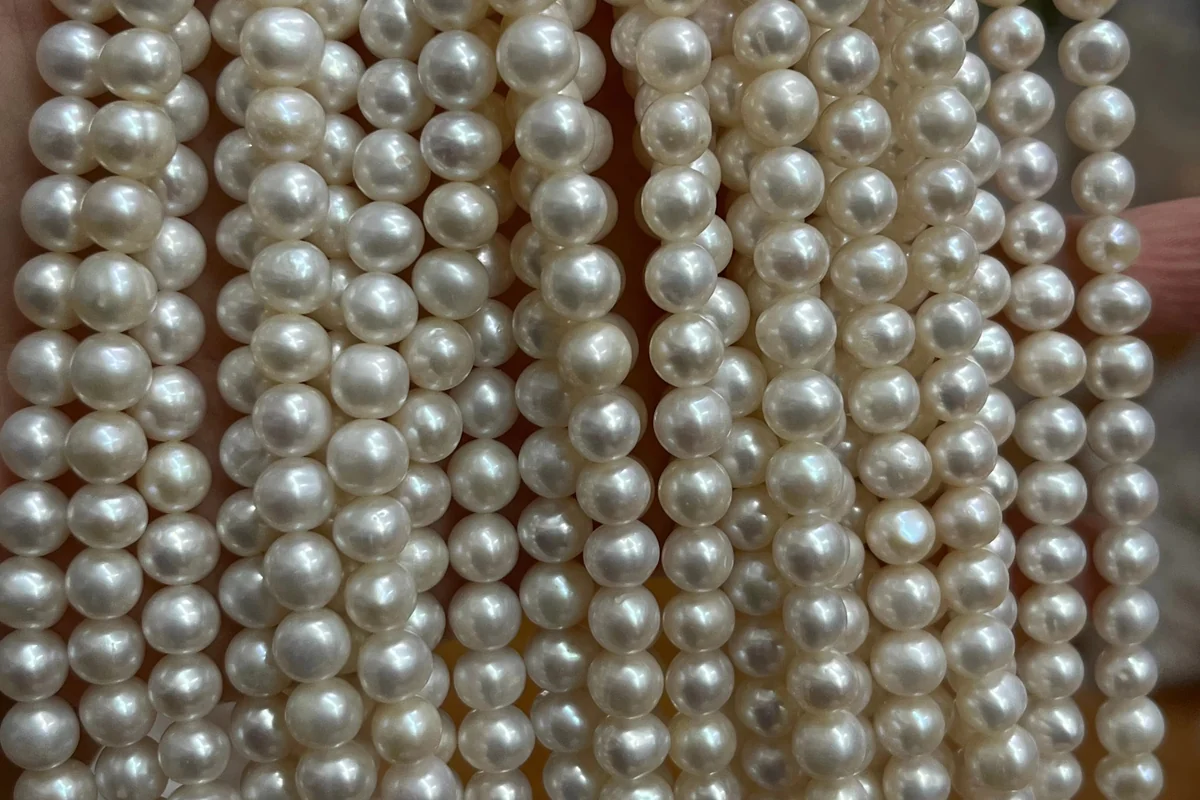
An AAA pearl label is incomplete without the grading scale behind it. Ask the seller what AAA means, which characteristics it covers, and what sample demonstrates that description. Extra letters alone are not a reliable way to rank pearls from different suppliers.
For a useful comparison, separate three questions: what the pearl is, how its quality is described, and whether it suits the jewelry you want to make. A short grade cannot answer all three.
What Does AAA Mean in Pearl Grading?
Treat AAA as a label that needs a written definition. Before comparing it with AA, AAAA, or another term, establish whether the descriptions come from the same scale and apply to the same pearl type.
GIA documents the existence of competing, sometimes company-specific pearl grading methods. The framework described in its 2021 classification article addresses Akoya, South Sea, and Tahitian cultured pearls. That article does not establish a universal AAA conversion chart. See GIA's explanation of pearl classification.
This does not make a supplier's grade useless. A clearly defined scale can help you compare that supplier's options. Keep the definition with the quotation, and check whether it applies to individual pearls, matched pairs, or an entire strand.
Why the Grade Alone Cannot Choose Your Jewelry
Imagine comparing two earring samples. One has a slightly different outline on each side but looks balanced when worn. The other has closely similar outlines, yet one pearl appears noticeably different in color. Which pair would you choose for a uniform collection?
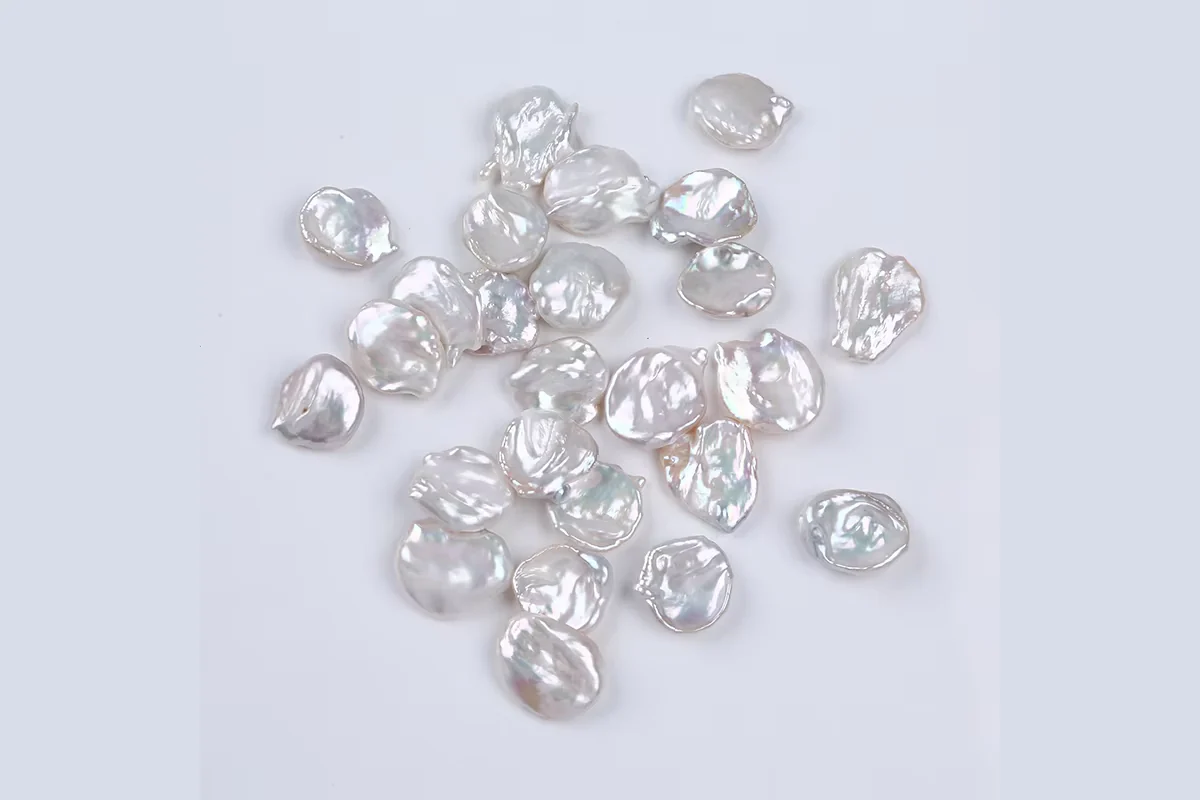
The answer depends on your design priorities. Record the visible difference and decide whether it works in the finished pair. Asking only which sample has the higher letter grade leaves the actual decision unresolved.
The same applies to a necklace. You may like every pearl individually but dislike the sequence. Review the complete arrangement as well as its components. A specification should explain the result you want the wearer to see.
Use Seven Factors as a Starting Vocabulary
GIA lists seven pearl value factors: size, shape, color, luster, surface quality, nacre quality, and matching. Luster concerns reflected light; severe surface characteristics can affect durability. See GIA's pearl quality overview.
For practical sample discussions, use these factors to organize observations. The following prompts are a buyer's worksheet, not a grading scale or a laboratory assessment.
| Factor | Question for the sample | What to record |
|---|---|---|
| Size | Does it meet the design dimensions? | Measurements and agreed range |
| Shape | Does the outline suit this piece? | Front and side views |
| Color | Does the selection match the intended palette? | Reference sample and comparison conditions |
| Luster | How does it compare beside the reference? | Observations under the same lighting |
| Surface | Which marks are visible, and where? | Annotated views of specific areas |
| Nacre | What information supports the description? | Applicable supplier or laboratory documentation |
| Matching | Does the pair or arrangement work together? | The approved pair or sequence |
Using this vocabulary for freshwater pearl jewelry does not mean that the jewelry has received a GIA classification. Keep the source of every grade or report clear.
Compare Suppliers Using the Same Questions
Consider this hypothetical comparison. Both suppliers are responding to the same earring design, but their initial descriptions contain different amounts of information.
| Comparison point | Supplier A | Supplier B |
|---|---|---|
| Grade description | AAA, without a definition | AA, with written grading terms |
| Size information | Approximately 8 mm | Measurements for the proposed pearls |
| Visual information | One attractive photograph | Views of both pearls in the proposed pair |
You cannot conclude that B has better pearls. You can conclude that B's description gives you more information to evaluate. Ask A for the missing details, then compare actual samples against the same brief. Better documentation and better pearl quality are separate questions.
Keep the commercial comparison equally consistent. Check whether each quotation covers the same finished design, pearl selection, quantity, packaging, and sample requirements. A lower quoted amount may describe a different scope. Resolve that difference before deciding whether a quality upgrade is worth its cost.
Avoid inventing a conversion such as “one supplier's AA equals another's AAA.” Describe the samples directly instead.
Turn Observations Into an Agreed Quality Reference
A useful approval record combines a physical sample with notes about what was accepted. Give the sample an identifier and record the date, design version, dimensions, and any requested changes. Link photographs to that identifier.
Be specific about differences that matter. “Use pair B as the appearance reference; pair A's color difference is not suitable for this design” is clearer than “use premium pearls.” If a mark is accepted on one face, annotate its location rather than assuming that every mark of any size is acceptable.
One attractive sample does not define every permissible variation in future pieces. For a varied design, ask to review additional examples showing the range you are considering. Agree which differences are acceptable and how uncertain cases will be discussed. Do not add invented percentages or millimeter tolerances merely to make the document look technical.
What You Can Check Yourself—and What Needs Testing
For a visual comparison, place the samples together on the same neutral background. Use the same lighting and viewing distance, rotate each piece, and examine both the overall appearance and the specific details you flagged. Keep those conditions reasonably consistent when repeating the comparison.
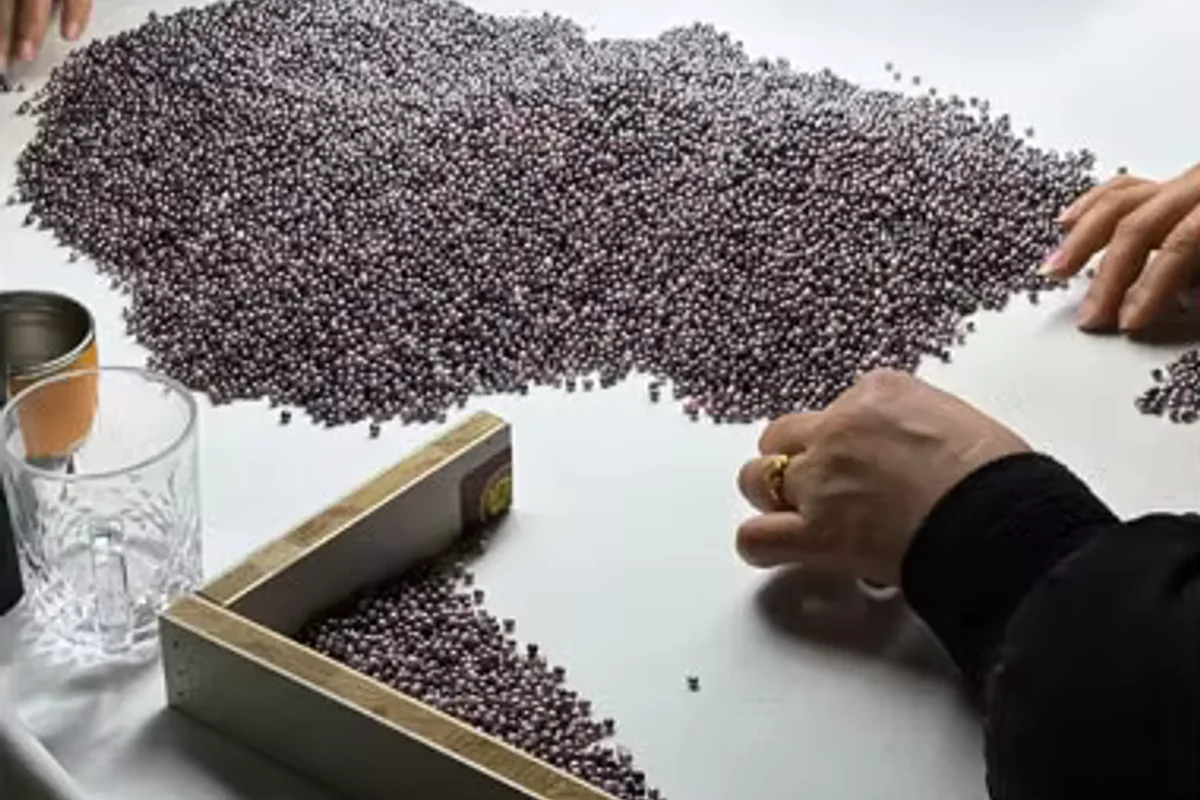
Photographs help document observations, but they do not prove pearl identity or measure nacre thickness. GIA describes using gemological examination and instruments, including X-radiography, for identification, and microradiography for measuring nacre in bead-cultured pearls. See GIA's laboratory process.
If a project requires laboratory evidence, define the question first and confirm the appropriate service with the laboratory. Check that any supplied report corresponds to the item being discussed. Do not substitute an unrelated report or a supplier's letter grade for that evidence.
Choose a Description You Can Use Again
The practical goal is a repeatable comparison. Keep the supplier's terminology, its definition, the selected sample, and your approval notes together. When a new sample arrives, compare it with that reference before relying on the grade printed on its label.
That approach also makes revisions clearer. You can explain which observation changed and whether the new result fits the design, instead of debating what “better quality” was meant to include.
Key Takeaways
- Request the written definition behind a grade before comparing supplier labels.
- Evaluate the finished pair or arrangement as well as individual pearls.
- Keep a sample reference and specific approval notes together.
- Separate visual quality observations from claims that require laboratory evidence.
Frequently Asked Questions
Ask how the supplier defines both categories. A comparison within one documented scale may be meaningful; letters from different scales should not be treated as automatically equivalent or ranked without examining their criteria and samples.
Do not infer flawlessness from the label. Ask what surface characteristics the seller allows and examine the actual pearl or representative sample. Record the appearance you accept for the intended design.
Compare samples of the intended design together, record dimensions and appearance, and assess the complete pair or strand. Ask the supplier to explain its terminology. Keep any laboratory claims separate from ordinary sample approval.
A photograph can support a visual discussion, but it is not sufficient evidence for an identity claim. If confirmation is important to the project, consult an appropriate gemological laboratory about testing the actual item.
Request the sample identifier, relevant measurements, description of the pearl selection, and a record of agreed changes. Confirm which sample becomes the reference and how any unresolved differences will be reviewed before proceeding.
Related Resources
Explore our freshwater pearl jewelry collection and custom pearl earrings for design contexts where selection and matching matter. Read about sample development before preparing your reference brief.
Contact LuxoPearl with your design reference and the appearance requirements you want to compare in a sample.
Contact Us