
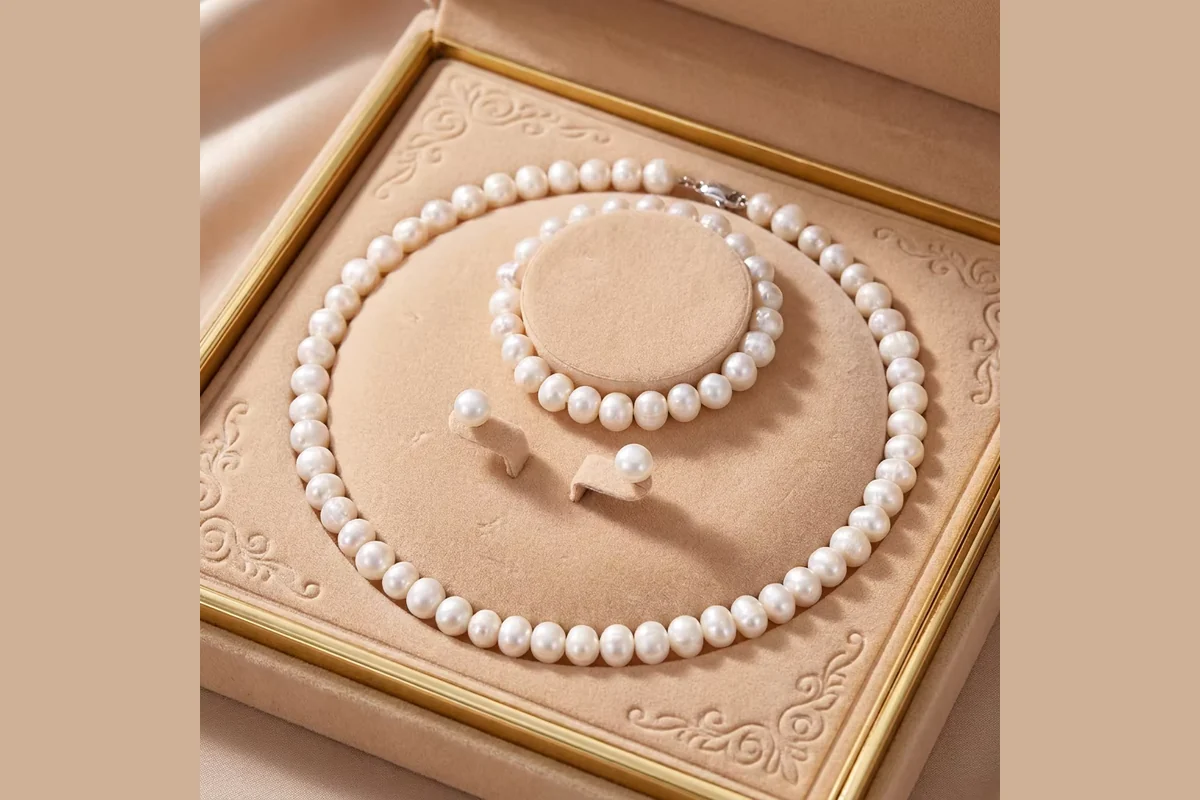
Planning private label pearl jewelry starts with a small set of decisions: who the collection is for, what each design contributes, what pearl appearance connects the pieces, and how much information a manufacturer needs to quote them. You can begin with sketches or reference photographs, then develop the details through samples.
A useful first brief gives every style an identifier, an intended finished size, a pearl direction, an estimated quantity, and a packaging requirement. It also distinguishes confirmed decisions from questions you want the manufacturer to resolve.
Define What Private Label Means for Your Project
In this guide, private label means jewelry supplied for sale under your brand. Custom development means creating or adapting the product to a defined design brief. A project may involve both. These are working descriptions for planning; suppliers can use the terms differently.
Describe the work you want: adapting a reference silhouette, developing a new pearl arrangement, selecting a finished length, or adding branded packaging. Ask the manufacturer to identify which elements are included in the proposal. If you need exclusive design rights or a particular ownership arrangement, make that a separate written discussion rather than assuming the label includes it.
Give Each Design a Clear Role
Write one sentence about your intended buyer and wearing occasion. Then explain how each style serves that idea. A compact stud might offer the simplest expression of the collection, while a longer drop carries its most distinctive silhouette.
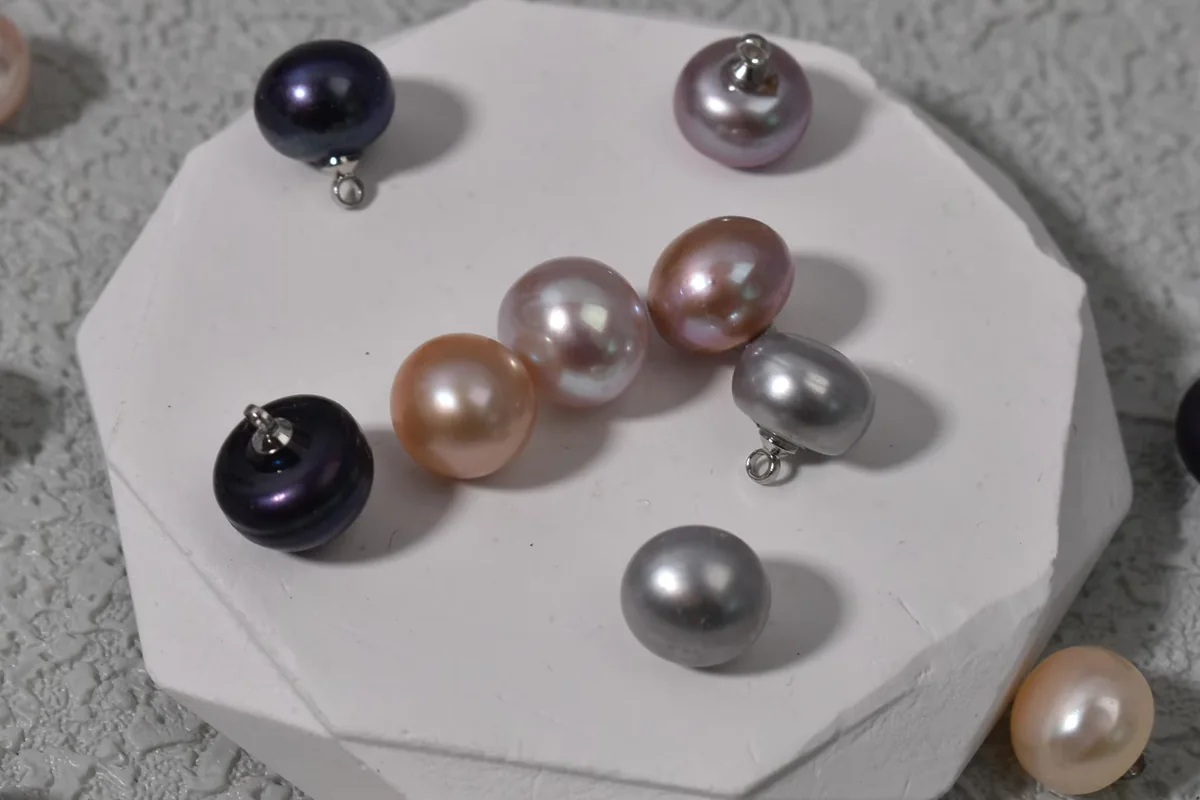
Choose a few shared visual decisions, such as pearl shape, color direction, or the relationship between pearl size and overall proportions. Record what may vary. A collection can feel related without making every piece identical.
When two designs seem interchangeable, ask what a buyer would notice first. If the answer is only a tiny difference in length, decide whether both versions are needed in the first development round. Each version needs its own quotation details and approval record.
Build a Small Assortment You Can Evaluate
Imagine a hypothetical four-style collection: one single-pearl necklace, one pair of studs, one pair of drops, and one bracelet. This is an example of organizing a brief, not a recommended universal assortment or order size.
Give them identifiers such as N01, E01, E02, and B01. The necklace establishes the pearl appearance; the studs repeat that appearance in a compact form; the drops explore movement; the bracelet repeats the collection's visual rhythm. You can then review whether the pieces belong together and whether each earns its place.
Start with one proposed version of each style. Add sizes or color options only where you can explain their purpose. Ask for minimum quantities at the level the manufacturer actually applies them: per style, size, color, or another specified grouping. Record the unit too; one earring pair and one individual earring are different quantities.
Compare Quotations on the Same Scope
Send the same dated brief to each manufacturer you are considering. Ask them to identify any substitutions or assumptions. A lower unit price is difficult to interpret if the pearl selection, packaging, or quantity basis differs.
| Quotation area | Ask the manufacturer to state | What to compare |
|---|---|---|
| Style and quantity | Design version, units or pairs, and quantity by variant | Whether every quotation covers the same assortment |
| Pearl selection | Proposed appearance, dimensions, matching, and sample basis | The actual selection described, beyond a grade label |
| Development | Sample scope, charges, and treatment of requested revisions | Which development work is included or separately quoted |
| Finished product | Dimensions, assembly proposal, and included components | Whether the proposed construction meets the same brief |
| Packaging | Individual pack, branding, inserts, and quantity assumptions | What arrives with each finished piece |
| Delivery scope | Production estimate, shipping arrangement, and separate costs | Where the quoted responsibility and timing begin and end |
Flag an unanswered item as open. For example, if one proposal includes a branded box and another mentions only protective packing, ask for an aligned quotation before comparing totals. Keep sample costs and recurring production costs separately visible.
Use This Copyable Inquiry Brief
Replace the bracketed fields and attach a reference for each style. An honest “please propose” is more useful than an invented specification.
Subject: Pearl jewelry collection inquiry — [brand / project]

Hello,

We are developing a pearl jewelry collection for [buyer / occasion].
Our intended sales destination is [country or region].

Project contact: [name and email]
Brief version and date: [version / date]
Reference files: [file names and the details to follow in each]

For each style:
- Style ID and product: [ID / necklace, earrings, or bracelet]
- Pearl direction: [shape, color, dimensions, matching preferences]
- Finished dimensions: [dimensions, units, and measurement points]
- Attachment or construction: [sketch / please propose]
- Estimated quantity: [units or pairs, separated by variant]
- Packaging and branding: [pack type, artwork, inserts, labels]
- Confirmed requirements: [list]
- Open questions: [list]

Please confirm feasibility, quantity requirements, quotation
inclusions, sample charges, revision arrangements, and estimated
production timing. Please identify assumptions and proposed changes.

Please also confirm the shipping scope and any separate charges.
Our target receipt date is [date, for feasibility review].
Required product documentation: [requirements / to be confirmed]

Thank you,
[name / brand]
Keep the reference images annotated. If you like a necklace's spacing but want a different pearl shape, say so beside the image. This helps prevent the manufacturer from treating every visible feature as a requirement.
Record What the Sample Actually Approves
Review the physical samples as individual pieces and as a collection. Photograph them under consistent conditions for your records, and compare their proportions together. Images help document appearance; they do not replace dimensional checks or any agreed functional assessment.
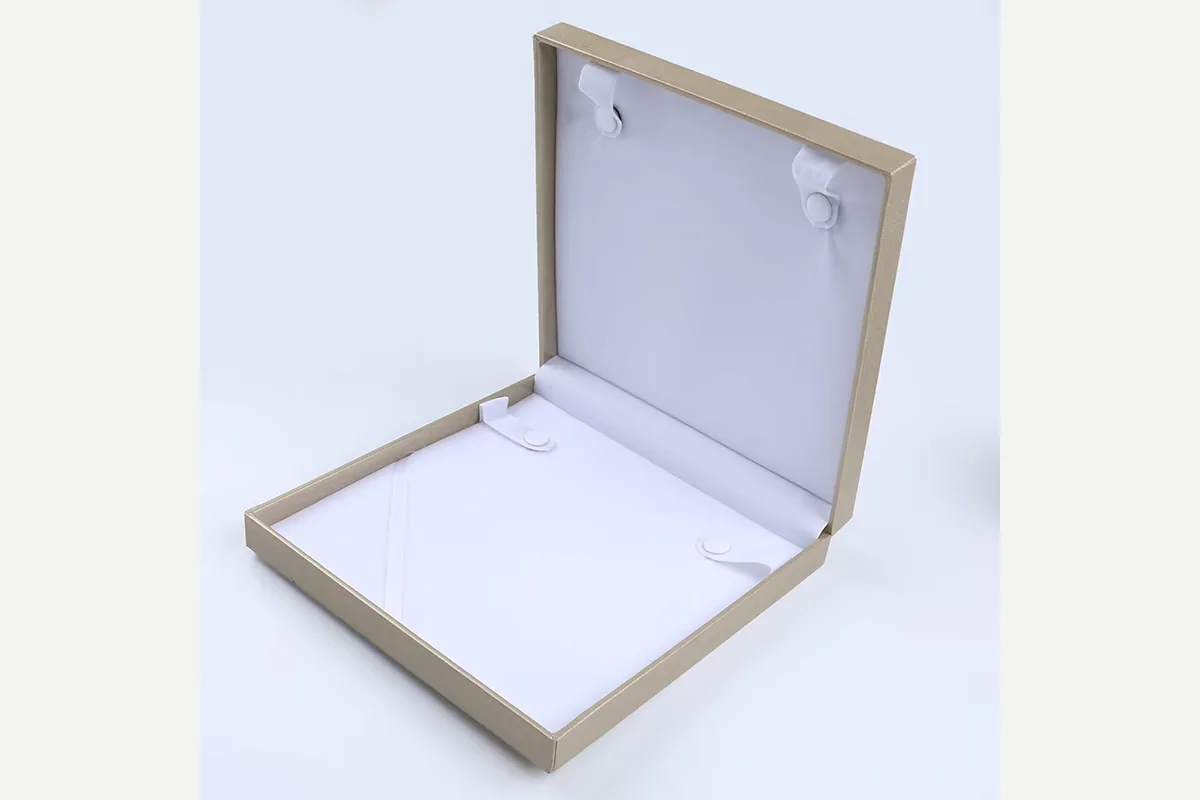
Create a sample approval record containing:
- Style ID, sample identifier, brief version, reviewer, and review date.
- Pearl appearance approved, with any accepted variation described.
- Measured finished dimensions and the points used for measurement.
- Pairing or arrangement notes, including orientation where relevant.
- Construction reviewed and the results of agreed functional checks.
- Packaging, artwork version, inserts, and label details reviewed.
- Each requested change, its owner, and whether another sample is needed.
- Final decision: approved, revision requested, or still under review.
- The physical reference retained and the files that support the decision.
Avoid a single “looks good” message when changes remain. For example, record “pearl arrangement approved; finished necklace length requires revision” so that partial approval does not look like permission to produce the entire design unchanged.
Plan Production Around Resolved Decisions
At LuxoPearl, all samples are paid. Sample production takes 5–9 days, with shipping time counted separately. Confirm the sample quotation and shipping arrangements before proceeding; a sample production window is not the arrival date for a finished collection. See Sample Development.
Build your schedule around decisions as well as making time: reviewing samples, resolving changes, confirming packaging artwork, approving the order, and arranging transport. Ask for the production schedule against the approved design and quantity.
Before moving forward, put the current quotation, approved sample record, final style list, packaging files, and unresolved questions in one project folder. Assign someone to confirm that the order references the correct versions. This gives both sides a usable starting point for production.
Key Takeaways
- Give every style a purpose, identifier, and clearly described variant.
- Compare quotations against the same product and packaging brief.
- Record sample approval separately for appearance, dimensions, construction, and packaging.
- Allow time for decisions, revisions, production, and shipping when planning your launch.
Frequently Asked Questions
Yes. LuxoPearl accepts photographs, sketches, product descriptions, and design references. Mark the features you want to develop and list undecided dimensions. The sample process should resolve those open details before production approval.
There is no universal number. Choose an assortment you can explain, fund, review, and support. The four-style example above illustrates distinct product roles; it is not a minimum order requirement or a sales forecast.
No. All samples are paid, and the fee is confirmed through the quotation. Ask about the scope of the sample and any proposed revisions. Do not assume sample charges are automatically refunded or credited against an order.
Specify it in the inquiry and verify it in the quotation. Identify the pack type, artwork, inserts, and labels you need. Approve the relevant packaging sample or artwork record alongside the jewelry.
You can share a target date for feasibility review. Keep it provisional while design, quantity, packaging, production scheduling, and transport remain unresolved. Sample approval alone does not establish a guaranteed delivery date.
Related Resources
- Custom Pearls — review the product categories available for development.
- Sample Development — understand the paid sample stage.
- Production Process — see the steps that follow sample confirmation.
Send LuxoPearl your collection brief with style references, estimated quantities, and packaging needs to discuss the next development step.
Contact Us